




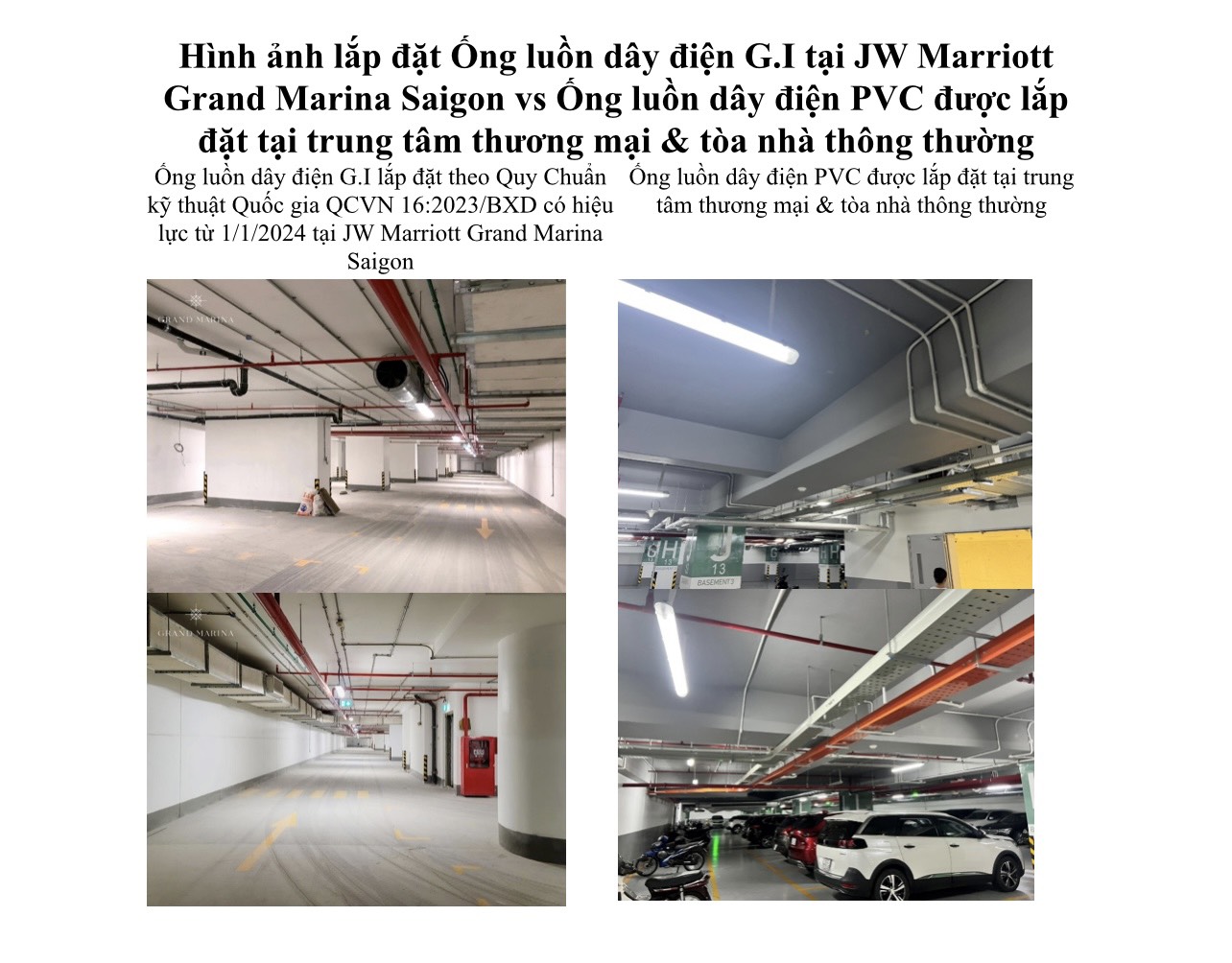
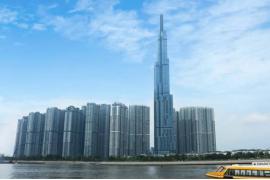
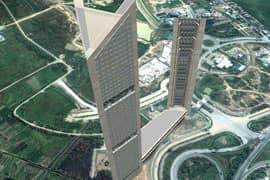
CVL Electrical steel conduits are installed in the 3 basement levels of the apartment complex at JW Marriott Grand Marina Saigon, located at 2 Ton Duc Thang Street, Ben Nghe Ward, District 1, Ho Chi Minh City. This is the world's largest luxury apartment complex, a mixed-use development with residential, office, and commercial-service functions.

The project is invested and developed by the renowned real estate conglomerate in Vietnam - Masterise Homes, in collaboration with Marriott International Group, with a plan to create the Branded Residences product line - 'Branded Real Estate.' Grand Marina Saigon will be the world's largest Urban Branded Residence by Marriott International Group in the city center. The project promises to attract the ultra-wealthy not only in Vietnam but especially across the Asian region, due to its reputation and the premium experience associated with world-leading brands.
The trust in using G.I - CVL electrical conduit products (Made in Vietnam) by the developer Masterise Homes for the installation in the project's three basement levels has brought about outstanding advantages in terms of fire and explosion safety. In any construction project, the basement area holds the highest fire and explosion risk, as it accommodates a large number of cars and motorcycles, which often carry a significant amount of fuel. This area is prone to ignition due to the high risk of electrical sparks from vehicles. Since this apartment complex is designed for the 'ultra-wealthy,' safety against fire and explosions, along with aesthetic considerations, are always prioritized by the developer, Masterise Homes.

Indeed, according to the American Conduit Institute, G.I (Galvanized Iron) electrical conduits have several outstanding advantages compared to the conventional PVC (Polyvinyl Chloride) electrical conduits commonly used in Vietnam, as follows:
- G.I electrical conduits provide better impact resistance and cable protection, with a fivefold higher resistance to electrical sparks compared to PVC electrical conduits.
- G.I electrical conduits can withstand temperatures of up to 1093°C for 4 hours according to testing by the Underwriters Laboratory (UL), thus preventing fire propagation and the generation of high-temperature fires and toxic smoke, which are common issues with PVC electrical conduits. High temperatures and toxic smoke are the two main factors causing the most casualties in current apartment building fires in Vietnam.
- The lifespan of G.I electrical conduits can extend up to 50 years, while PVC electrical conduits typically last around 10 years.
- G.I electrical conduits offer up to 95% protection and restriction of electrical interference, surpassing the performance of PVC electrical conduits.
- G.I electrical conduits are made of steel, which is a recyclable material, meeting the requirements of green building standards such as LEED and ESG.
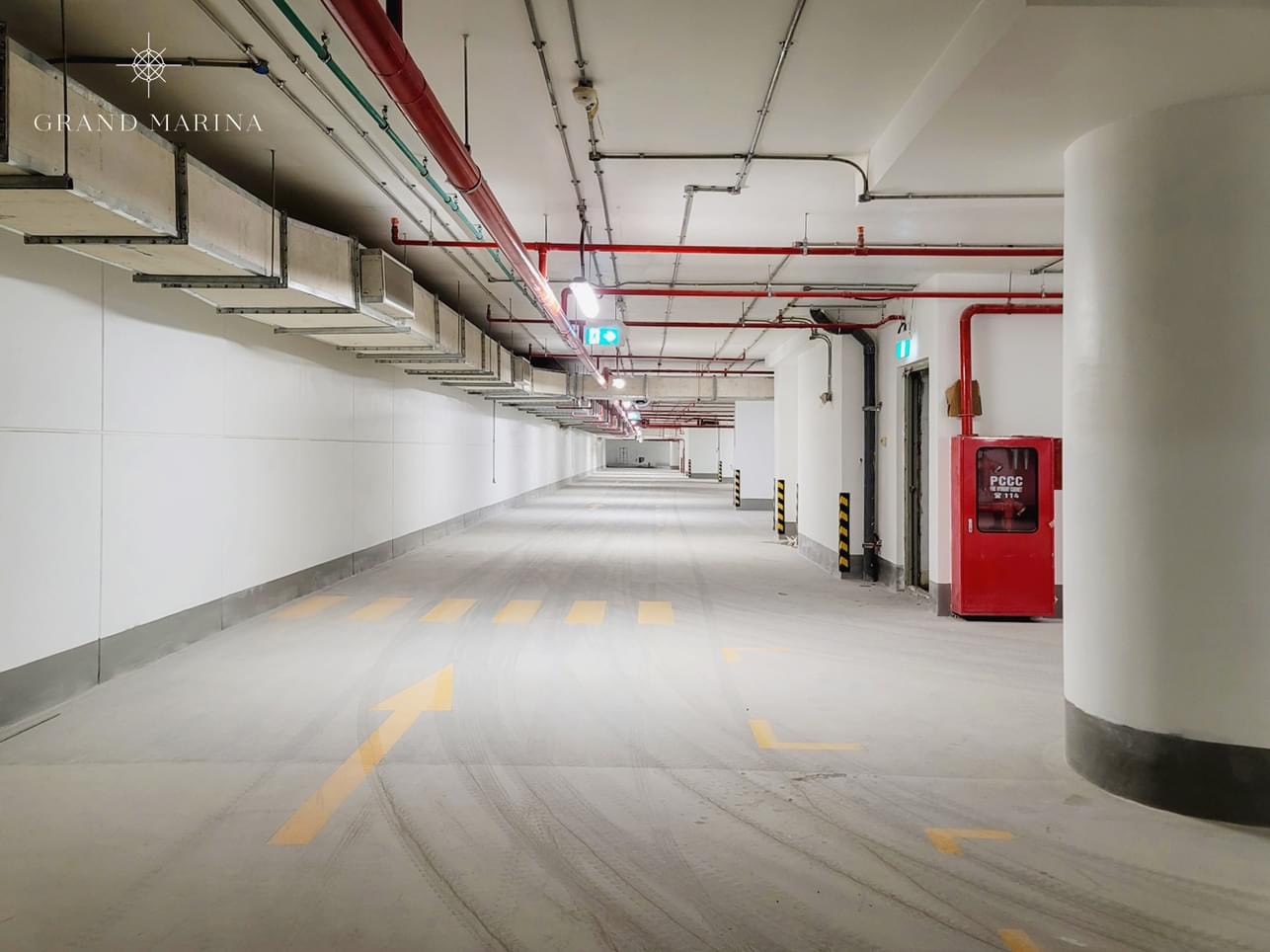
These advantages highlight why G.I electrical conduits are preferred over PVC electrical conduits, particularly in terms of safety, longevity, and environmental considerations.
The use of G.I - CVL electrical conduits aims to meet the prerequisite conditions for obtaining fire safety certification (PCCC) and completion certificates for projects involving construction materials installed according to the National Technical Standard QCVN 16:2023/BXD, which takes effect from January 1, 2024. This standard requires compliance with fire propagation standards, specifically TCVN 7417-2010 (IEC 61386-1-2008), using the testing methods TCVN 9900-2-11:2013 (IEC 60695-2-11:2000) and TCVN 9900-2-11:2013 (IEC 60695-11-2:2013).
In essence, using G.I - CVL electrical conduits helps ensure that construction projects fulfill the fire safety requirements mandated by the new national technical standard. This is crucial for obtaining the necessary certifications and approvals for projects, promoting safety and compliance with the updated regulations.



























































Follow Us