




The UL standard is a globally recognized certification that confirms a product has met the strictest safety and performance requirements. With over a century of development and a rigorous testing process, UL is considered the "gold standard" in the field of quality assessment and certification, providing consumers with complete peace of mind and giving businesses a competitive edge.
1. What is UL?
UL (Underwriters Laboratories) is a leading global safety certification organization based in the United States. With over 100 years of operation, UL serves as an independent third party, specializing in testing, evaluating, certifying, advising, and training on product safety and quality.
UL does not manufacture or sell products — its main mission is:
-
Testing and evaluating products and materials related to safety, performance, and durability.
-
Developing standards based on scientific research and practical experience.
-
Publishing a list of safe products to help consumers and businesses with their purchasing decisions.
UL standards cover many aspects, including electrical safety, fire and explosion resistance, mechanical-chemical safety, operational performance, and durability. For industries such as mechanical engineering, electrical equipment, or industrial accessories, UL certification ensures that the product meets international safety standards, enabling entry into markets with strict requirements.
2. UL Evaluation Process – Rigorous and Objective
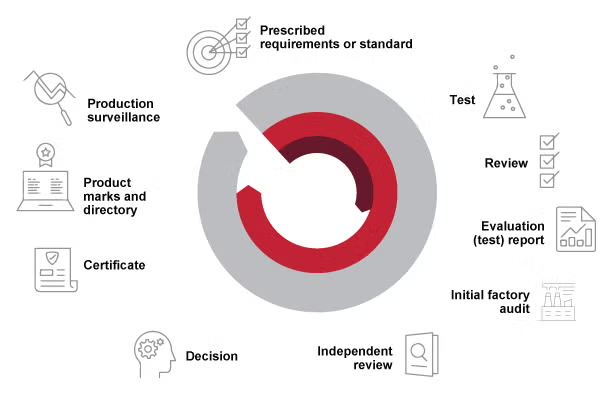
UL follows a testing process based on the highest scientific principles and ethics, ensuring results that are completely independent and unaffected by the manufacturer. After certification, UL regularly conducts surprise inspections at factories to ensure that products maintain their quality. If violations are detected, UL will immediately revoke the certification.
Due to this transparency, the UL certification mark on a product has become a "guarantee label" for millions of consumers worldwide.
3. Significance of UL Certification
-
For consumers: UL provides absolute peace of mind about safety and quality, reducing risks when using products.
-
For manufacturers: UL helps enhance brand reputation, creates competitive advantages, and opens up export opportunities.
-
For retailers: UL-certified products help build trust and boost sales.
In other words, UL is not only a technical standard but also a trusted brand.
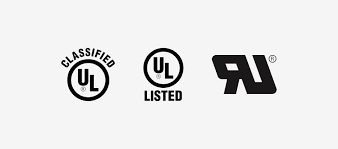
4. Three Levels of UL Certification
-
UL Listed – The Highest Standard
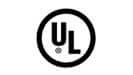
This applies to entire products that meet the strictest requirements in terms of construction, materials, safety, and performance. The UL Listed logo serves as a "passport" to help products easily enter international markets. -
UL Recognized – Component Standard
This applies to individual components or parts that have been UL-tested, often used in assembly to create a UL Listed product. -
UL Classified – Risk-Based Classification
This certification comes with information about the level of risk or application, helping users select safe and suitable products.
5. UL in Vietnam – A New Competitive Advantage
In Vietnam, more and more businesses are realizing the importance of UL certification to enhance their competitiveness. UL-certified products not only have easier access to demanding markets like the U.S. and Europe but also serve as clear evidence of production capabilities that meet international standards.
In the context of globalization, UL is the "passport" that helps Vietnamese products reach the world.
6. How to Identify UL-Certified Products and Avoid Counterfeits
-
Check the UL label: The logo should be clear and sharp, not faded or blurred.
-
Verify online: Look up the UL code on the official website to confirm authenticity.
-
Check product information: Ensure the packaging and user instructions are complete and clear.
-
Examine the certification code: Every UL-certified product has its own unique code.



















































Follow Us