


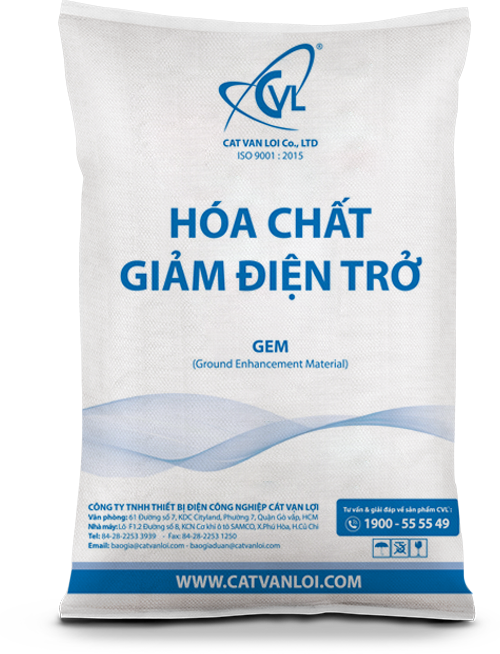
GEM (Grounding Enhancing Material) is an ideal material for use in areas where the soil has poor electrical conductivity, such as rocky, hilly, and sandy soils. GEM is also a solution in situations where grounding rods cannot be driven deep or in areas with limited space that make it difficult to implement grounding systems using traditional methods. Therefore, the core issue is that no material can compare to GEM in reducing ground resistance and maintaining low values over a long period. No material matches GEM when it comes to providing good conductivity for grounding systems. Moreover, the effectiveness of GEM has been proven through rigorous, independent experiments and numerous practical tests.
Standards:
IEC 62561 - 7/ UL Listed - UL 467
- Graphile compound
- Bentonite clay compound
1. Effectiveness
2. High durability
3. Environmental protection
4. Ease of use
GEM chemicals are used in grounding systems for electrical power, telecommunications, lightning protection, especially in areas with high soil resistivity where traditional methods fail to meet grounding requirements or are prohibitively expensive. Specifically:
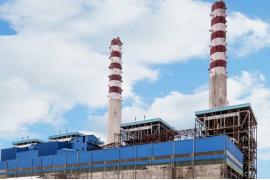
Grounding systems for transformer substations and power plants.
Grounding for electrical poles along ultra-high voltage, high voltage, medium voltage, and low voltage power lines.
Grounding for broadcasting stations, BTS stations of mobile telecommunications networks, especially in high mountainous areas.
Lightning protection grounding systems for residential complexes and central buildings.
Grounding to protect computer systems.
Used in airport construction
Ground resistance depends significantly on various factors, especially in areas with high soil resistivity where ground resistance tends to be high. Calculate and use GEM appropriately based on actual conditions.
Design the grounding system before applying resistivity-reducing chemicals.
Follow the instructions for proper use.
1. Wear gloves and a mask when using.
2. Keep dry during transport. Store in a cool, dry place.
3. Wash thoroughly with soap if the chemical comes into contact with skin. If it gets into eyes, rinse immediately with clean water. Seek medical attention if any unusual symptoms occur.
4. Follow instructions carefully during use.
|
Grounding Enhancement Material (GEM) CVL® |
||
|
Product Code |
Resistance Reduction Efficiency |
Weight (kg) |
|
HCGDT113 |
p ≤ 0.9 Ω.m |
11.3 |
|
HCGDT113B |
p ≤ 0.9 Ω.m |
11.3 |

Step 1: Mix the resistivity-reducing chemical with 5.6 to 7.6 liters of clean water. Note: Do not use saline water to mix with the resistivity-reducing chemical.
Step 2: Evenly spread the resistivity-reducing chemical into the trench to achieve a thickness of 5 cm (refer to the chart to estimate how many lengths of conductive cable one bag of resistivity-reducing chemical can cover). Wait approximately 15-20 minutes for the chemical layer to slightly harden to prevent the cables from sinking to the bottom.
Step 3: Place the cables on top of the layer of resistivity-reducing chemical.
Step 4: Spread another layer of resistivity-reducing chemical over to cover the cables fully. Wait approximately 30-60 minutes for the layer of resistivity-reducing chemical to harden.
Step 5: Cover the soil with the resistivity-reducing chemical.
|
|
Total thickness of the resistivity-reducing chemical (GEM) layer
|
|||
|
Width of the trench or channel
|
5 cm
|
10.2 cm
|
12.7 cm
|
15.2 cm
|
|
10 cm
|
2.0 m
|
1.0 m
|
0.8 m
|
0.7 m
|
|
15.2 cm
|
1.4 m
|
0.7 m
|
0.5 m
|
0.4 m
|
|
20.3 cm
|
1.0 m
|
0.5 m
|
0.4 m
|
0.3 m
|
|
25.4 cm
|
0.8 m
|
0.4 m
|
0.3 m
|
0.3 m
|
|
30.5 cm
|
0.7 m
|
0.3 m
|
0.3 m
|
0.2 m
|
|
|
Estimate the length of cable covered by 1 bag of GEM (11.3 kg).
|
|||
For example, each bag of GEM weighing 11.3 kg can cover approximately 1 meter of conductor cable with a trench width of 10 cm and a total thickness of the resistivity-reducing chemical layer at 10.2 cm.

Step 1: Drill a hole with a diameter of ≥ 7.5 cm and a depth greater than the length of the grounding rod by approximately 15 cm.
Step 2: Place the grounding rod into the drilled hole and drive it into the ground to a depth of approximately 30 cm. The top of the grounding rod should be about 15 cm above the ground level. You can now create any necessary connections to the grounding rod as desired.
Step 3: Mix the resistivity-reducing chemical with 5.6 to 7.6 liters of clean water. Note: Do not use saline water to mix with the resistivity-reducing chemical. Pour the appropriate amount of the resistivity-reducing chemical solution around the grounding rod (refer to the chart to estimate the number of bags of resistivity-reducing chemical needed to pour around the grounding rod). Ensure the chemical layer fills the borehole completely. Wait approximately 30-60 minutes for the chemical layer to harden.
Step 4: Cover the soil with the resistivity-reducing chemical.
Note: Ensure to remove any excess standing water from the borehole.
|
|
Drill hole depth *
|
|||||
|
Drill hole diameter
|
1.5 m
|
1.8 m
|
2.4 m
|
3 m
|
4.6 m
|
6.1 m
|
|
10.2 cm
|
2 bags
|
2 bags
|
2 bags
|
3 bags
|
4 bags
|
5 bags
|
|
15.2 cm
|
3 bags
|
3 bags
|
4 bags
|
5 bags
|
8 bags
|
10 bags
|
|
20.3 cm
|
5 bags
|
6 bags
|
8 bags
|
9 bags
|
14 bags
|
18 bags
|
|
25.4 cm
|
7 bags
|
9 bags
|
12 bags
|
14 bags
|
21 bags
|
25 bags
|
|
30.5 cm
|
10 bags
|
12 bags
|
16 bags
|
20 bags
|
30 bags
|
40 bags
|
|
To estimate the number of bags of GEM (11.3 kg each) needed to fill around the grounding rod.
|
||||||
* 2.4 meters is the minimum length of the grounding rod in contact with the ground.
For example, a borehole with a diameter of 10.2 cm and a depth of 1.5 m would require 2 bags of GEM (11.3 kg each) to fill around the grounding rod.
>>> Xem thêm: Hướng dẫn sử dụng phần mềm thiết kế hệ thống tiếp địa để thi công hóa chất điện trở (GEM)
Reasons for using the CVL lightning protection and grounding system
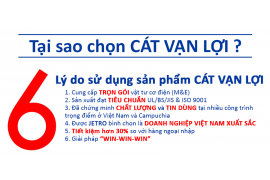
1. Produced at a factory strictly monitored under ISO 9001:2015 quality management system, ensuring consistent quality from raw materials to finished products and packaging.
2. Manufactured according to the UL Listed – UL 467 certification, issued by Underwriters Laboratories (UL), a safety certification organization in the United States & IEC 62561 standards of the International Electrotechnical Commission (IEC).
3. The traditional lightning protection and grounding system CVL is manufactured at Cát Vạn Lợi factory, ensuring all construction materials meet international standards.
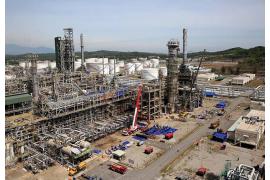
4. The CVL traditional lightning protection and grounding system has proven its quality in numerous large-scale projects in Vietnam.
5. CVL's lightning protection and grounding products are directly manufactured in Vietnam, supporting the Vietnamese aspiration of "Replacing imported goods - Made in Vietnam."
6. Cát Vạn Lợi is committed to COMMUNITY & HUMAN VALUES by collaborating with 20 colleges and universities in Ho Chi Minh City, supporting scholarships for disadvantaged students, providing internship opportunities, recruiting graduates, and employing people with disabilities in the company.

































































Follow Us